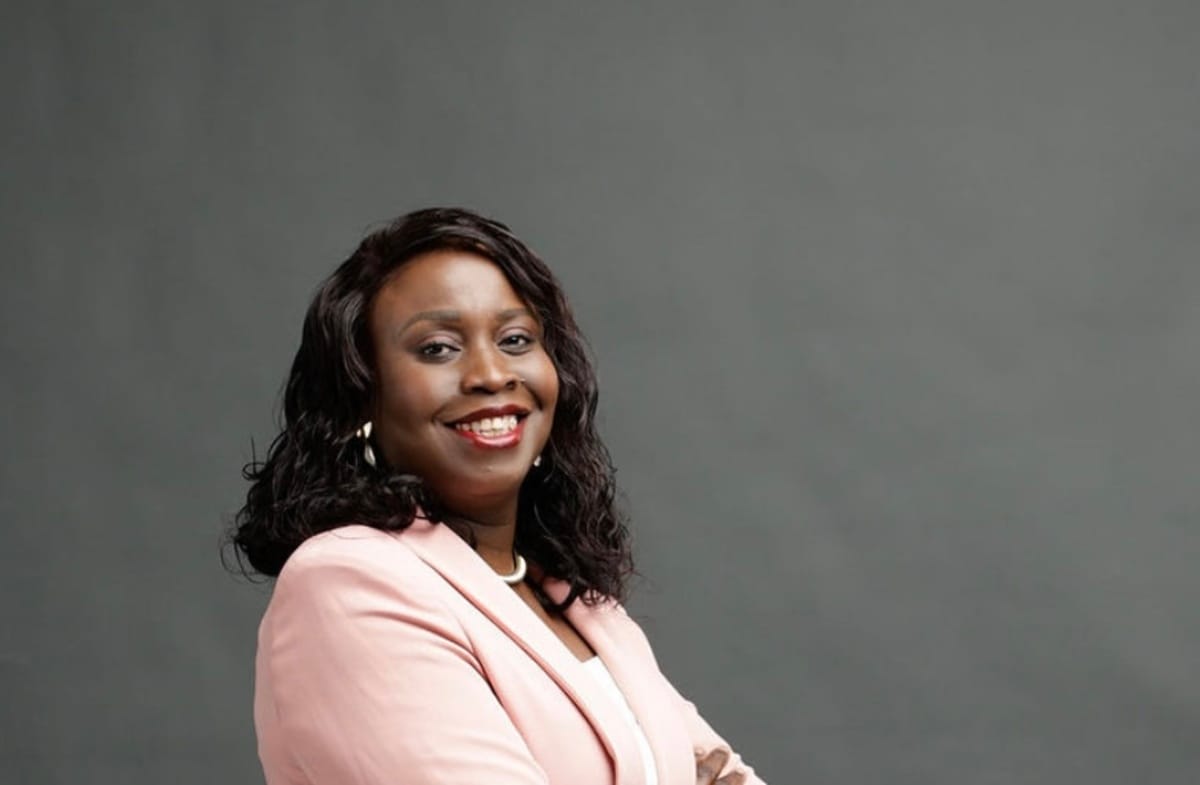

Photo; Journalists for Human Rights
This week I facilitated a training session with women editors and leaders from some of Kenya’s leading newsrooms, exploring newsroom leadership in the age of AI.
A lot of our conversation came back to strategy.
We talked about the opportunities and the risks, plus some of the very practical realities of adoption- especially in Africa.
Because there are already many journalists using AI, often informally and in very different ways, a big part of the conversation was how we move from individual use to more deliberate and structured adoption across the newsroom.
Why context matters
We also felt that context really matters.
What works in one newsroom, country, or region may not work in another. So part of the conversation was about how we apply AI in ways that make sense for our own realities.
AI has the potential to help resource-constrained newsrooms do more with less. But if access to tools, training, infrastructure and relevant data remains costly and unequal, it could also deepen the divide between well-resourced and under-resourced newsrooms.
Could collaboration be part of the answer?
This raised the question of sustainability, and whether collaboration between newsrooms could be part of the answer.
Collaboration might allow organisations to share learning, test tools together, develop common standards and avoid every newsroom having to solve the same problems alone.
Understanding the limitations
There are thousands of AI tools out there, but many are still built largely on Western data, assumptions and use cases that do not reflect African realities.
The African continent is home to different audiences, reporting environments and thousands of African languages that are still poorly represented in many AI systems.
So newsrooms need to understand not only what these tools can do, but also where their limitations might be; for instance, could they distort, exclude or misrepresent some of our contexts.
People and the role of leadership

Leaders from across Kenyan Newsrooms; Journalists for Human Rights
Then there are the people.
One thing the discussion made very clear is how much anxiety accompanies technological change. Journalists have genuine questions about what AI will mean for their roles, their skills and, in some cases, their jobs.
While any change and transformation comes with anxiety, leadership cannot treat that anxiety as resistance to innovation.
People need clarity about why technology is being introduced, how decisions will be made, what will change and the values the organisation remains committed to protecting. They also need meaningful opportunities to learn, experiment and raise concerns.
Leaders are also looking for answers, trying to understand what readiness looks like for their newsrooms, what responsible adoption requires and how to guide their teams when so many questions remain unanswered.
Thanks to Journalists for Human Rights 🇰🇪 for inviting me to lead this session, and to the newsroom leaders who brought such thoughtful questions and perspectives to the conversation.
🚀OPPORTUNITIES WORTH KNOWING
The good stuff: upcoming events, grants, training programs, jobs, and more
Alicia Patterson Journalism Fellowship
Investigative journalism grants of $20,000 for six months or $40,000 for 12 months to support journalists researching, reporting and producing high-quality investigative stories for publication.
Deadline; October 1st
Henry Nxumalo Foundation — Southern Africa Accountability Journalism Project Grants
The Southern Africa Accountability Journalism Project awards reporting grants of $1,500 to $3,000, plus editorial and production support, for investigations that expose wrongdoing and abuses of power in the SADC region; freelance journalists and staff reporters or editors based in South Africa, eSwatini, Lesotho, Botswana, Namibia, Zimbabwe, or Mozambique may apply, and cross-border collaborations are favoured.
Deadline; Rolling
Strategic Communications Advisor, Oxfam in Africa
This is a dynamic and high-impact role at the heart of Oxfam’s influencing work. You will shape and deliver strategic communications that enhance the Director’s profile, ensuring their engagements, ranging from high-level summits to media appearances, are impactful, coherent, and aligned with Oxfam’s priorities.
Merck Foundation Africa Media Recognition Awards 2026
The Merck Foundation Africa Media Recognition Awards recognise journalists and media professionals across Africa for published work that raises awareness on key social issues, with winners receiving USD 500 per category across print, online, radio, and multimedia formats. Category one ("More Than a Mother") covers breaking infertility stigma, girl education, women's empowerment, ending child marriage, ending FGM, and stopping GBV, with a deadline of 30 September 2026; category two ("Diabetes & Hypertension") covers prevention and early detection awareness, with a deadline of 30 October 2026.
Deadline: 30th October
This Issue Brought to You By Reebo Consult
We work with media organisations to turn big ideas into real impact — integrating AI, navigating digital shifts, and rethinking editorial strategy for the future. Curious about what that could look like for you? Let’s connect. Send me an email.
Help us keep sharing real stories
▶ Know someone who’d love this? Forward it their way.
▶ Was this email forwarded to you?