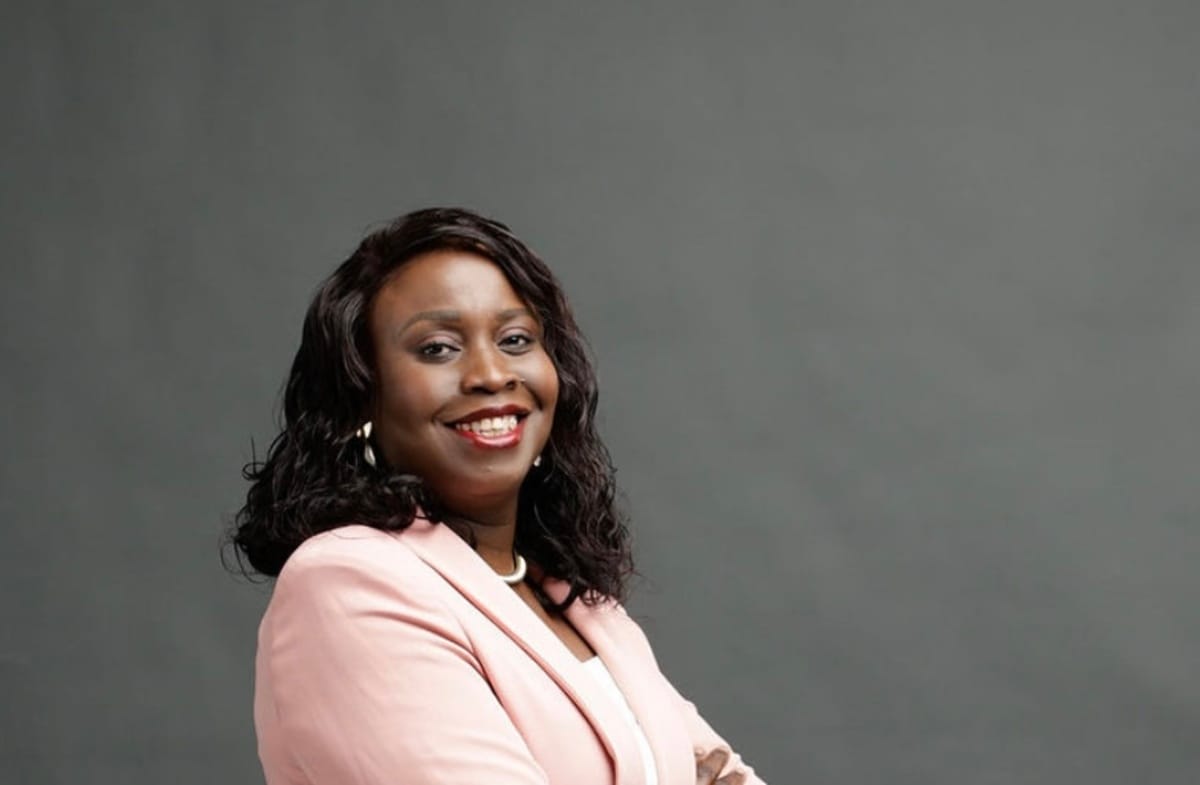

Anis Belmili
AT A GLANCE
Who: Anis Belmili, Algerian journalist, team leader at EPTV and presenter of the technology programme iTech 2.0.
What: A journalist experimenting with AI-generated video, translation, voice synchronisation, research and newsroom workflows—largely through his own initiative.
The Problem: AI experimentation is already happening in African newsrooms, often before organisations have introduced clear strategies, policies or safeguards. This can expose newsrooms to editorial, legal and data-security risks.
The Innovation: Anis uses iTech 2.0 as a testing ground for AI, including demonstrating how convincing synthetic media can be—and then helping viewers understand why they should approach it critically. He is also experimenting with his newsroom workflows.
Why It Matters: Anis’s story shows the value of individual initiative, but also its limits. Journalists can demonstrate what is possible, but lasting transformation requires leadership, training, secure systems and clear editorial guidance. The question is no longer whether AI has entered the newsroom, but whether news organisations are ready to manage its use responsibly.
GO DEEP.👇🏾
When Anis Belmili wanted to teach Algerian television viewers about artificial intelligence, he used ChatGPT to write a first-person script for a historical figure. He then animated an old photograph, making it appear as though the long-deceased figure were speaking directly to viewers.
Only afterwards did he explain how the video had been made, and why they should be careful about trusting what they see.
“It was the first time that anyone here in Algeria used AI in media,” he told me.
Anis is proud of that experiment. But what interested me most about his story was not the technology he had been trying. It was the fact that he had done it largely on his own, outside any newsroom management-led AI strategy.
Anis’ experience is a good example of how AI adoption is unfolding in many newsrooms across Africa. In my work with journalists, I have found that experimentation often begins long before the institution is ready.
Innovation from the edges
Anis works at EPTV, Algeria’s national public broadcaster, where he leads a team of about 16 journalists.
When ChatGPT became widely available, he began testing it at home and teaching himself how it worked.
He used his technology programme, iTech 2.0, as an experimenting ground.
In one episode, he used a tool he remembers as “Pinokio” to create a deepfake. He also experimented with AI-generated translation and voice synchronisation.
The programme later won a major Algerian broadcasting award - a recognition he says showed that audiences were interested in serious conversations about AI.
But it did not lead to a wider change in how his organisation approached AI.
“We don’t have a lot of focus on AI and journalism,” he said. “We are doing most of these innovative things by ourselves.”
He is now developing a project that he hopes will introduce AI-assisted workflows into his newsroom. Once again, it is a personal initiative rather than part of an organisation-wide plan.
While this kind of individual initiative can be valuable in demonstrating what is possible, lasting transformation requires turning that experimentation into an institutional approach.
Combining journalism and technology
Anis’s interest in technology began long before ChatGPT.
He describes himself as a child of the 1990s: part of a generation that grew up writing in notebooks while also encountering early computers and mobile phones.
He says for a long time, journalism and technology seemed like two separate interests, until he had a conversation with an Algerian professor who had helped develop ways of using Arabic script on computer keyboards. Anis told him that he loved both journalism and IT, and the professor encouraged him to pursue both.
Where AI helps—and where it does not
Anis is not interested in using AI for everything.
His team uses it to summarise long documents and support research. One colleague has also been experimenting with AI-generated video using tools such as Veo 3.
He is very cautious when it comes to writing, because he believes AI-generated writing, particularly in Arabic, often lacks something important.
“It doesn’t have the spirit,” he said. He can instantly recognise an AI-written script as soon as he reads it.
Anis adds that while language carries context, culture and judgement, journalism requires all three.
His more immediate concern, however, is not the quality of the writing, but the information and data that journalists are feeding the tools.
EPTV is often among the first organisations in Algeria to report major national developments. Anis says he has seen journalists enter sensitive government or source information into AI platforms without considering where that information might be stored or how it could be used.
Some, he says, have given AI agents access to their email and social-media accounts.
This is where experimentation without guidance becomes risky in the absence of standard newsroom rules.
Anis also believes African countries need greater control over where their data is stored and processed. But local infrastructure would still need to be supported by clear editorial policies, secure systems, staff training and human accountability.
What newsrooms can learn from Anis
When I asked what advice he would give to a newsroom beginning its AI journey, Anis returned to the basics.
“Use the tools, but use them ethically. Check everything twice. And do not allow AI to replace your ability to think and write independently.”
For him, the journalists best equipped for the future, will not necessarily be the most talented, but those who can use AI responsibly without becoming dependent on it.
“If the tools disappeared tomorrow, journalism should be able to continue,” he said.
Those most at risk, he believes, are the journalists who allow their core reporting and writing skills to weaken as the technology improves.
But Anis’s experience raises a broader question, that goes beyond the choices made by individual journalists.
Journalists across the continent are already experimenting with AI and sometimes taking risks they do not fully understand.
The question is whether leaders will create the policies, training and space for responsible experimentation, or leave every journalist to work it out alone.
🚀OPPORTUNITIES WORTH KNOWING
The good stuff: upcoming events, grants, training programs, jobs, and more
Harvard Radcliffe Institute Fellowship 2027–2028
The fellowship offers a dedicated nonfiction and journalism application track with a deadline of 10 September 2026, providing a $78,000 stipend, project support, housing assistance, relocation support, and childcare funding for a full academic year at Harvard.
Deadline: 10 September
Strategic Communications Advisor, Oxfam in Africa
This is a dynamic and high-impact role at the heart of Oxfam’s influencing work. You will shape and deliver strategic communications that enhance the Director’s profile, ensuring their engagements, ranging from high-level summits to media appearances, are impactful, coherent, and aligned with Oxfam’s priorities.
Merck Foundation Africa Media Recognition Awards 2026
The Merck Foundation Africa Media Recognition Awards recognise journalists and media professionals across Africa for published work that raises awareness on key social issues, with winners receiving USD 500 per category across print, online, radio, and multimedia formats. Category one ("More Than a Mother") covers breaking infertility stigma, girl education, women's empowerment, ending child marriage, ending FGM, and stopping GBV, with a deadline of 30 September 2026; category two ("Diabetes & Hypertension") covers prevention and early detection awareness, with a deadline of 30 October 2026.
Deadline: 30th October
FIJ grants
The Fund for Investigative Journalism offers grants for freelance journalists, staff reporters, and media outlets producing high-quality, nonpartisan investigative stories, for print, online, broadcast, books, documentaries, or podcasts.
Deadline: September 14, 2026.
This Issue Brought to You By Reebo Consult
We work with media organisations to turn big ideas into real impact — integrating AI, navigating digital shifts, and rethinking editorial strategy for the future. Curious about what that could look like for you? Let’s connect. Send me an email.
Help us keep sharing real stories
▶ Know someone who’d love this? Forward it their way.
▶ Was this email forwarded to you?