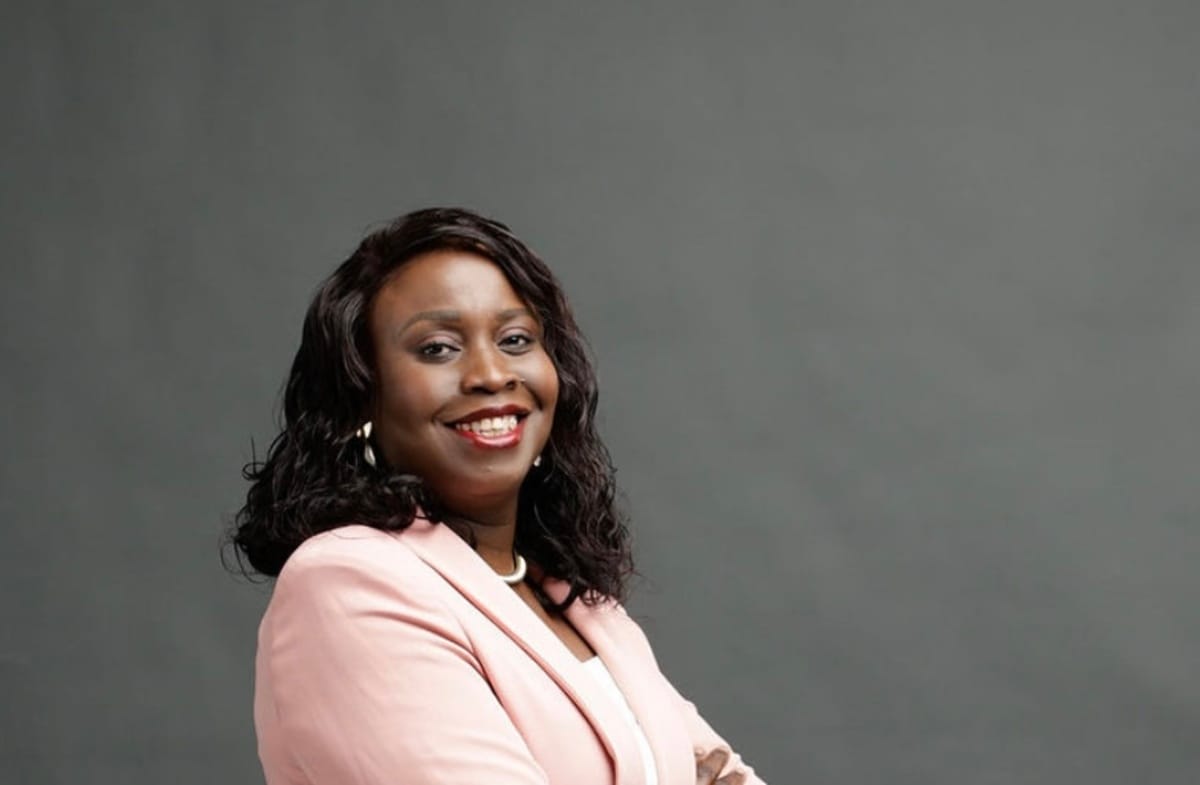

Working with one of the newsrooms in our accelerator program
I’ve spent the last few weeks working with several community and independent newsrooms from different parts of Africa.
It’s part of an accelerator pilot we are running to help them move from individual AI use to more deliberate, institutional adoption.
I’ll share more as the programme progresses. But even at this early stage, a few things are already becoming clear, and that’s what I want to focus on in this week’s edition.
AI is already in the newsroom.
Journalists are using it, but mostly at an individual level.
Many have taught themselves how to use the tools, often through online courses, social media or simply by experimenting.
That means people sitting in the same newsroom may use the same AI tools very differently.
One person might use it for transcription. Another for research. Someone else for writing support or translation.
And because much of this has grown organically, editors may not always know exactly how AI is being used across the newsroom.
Editors are trying to catch up
Most of the newsrooms we’re working with do not yet have policies or guidelines governing that use.
Some editors are understandably concerned about that- particularly around accuracy, source protection, confidential information and what journalists are putting into third-party tools.
But what I’ve found most encouraging is excitement and the willingness of newsroom leaders to engage with this.
They are keen to experiment with it. They want to understand where it might help. And they want to move towards a more structured way of adopting it and using it responsibly.
The resource dilemma
That is important, especially because these are not newsrooms with endless resources.
Like many small news organisations elsewhere, they are working with tight budgets, high staff turnover and small teams trying to do a lot to serve their audiences.
Most cannot afford enterprise versions of AI tools either.
So what does structured adoption actually look like?
A large part of what we’re exploring in this pilot is practical:
Where can AI actually help a small newsroom?
Could it reduce some of the repetitive work in the production workflow?
And at the same time, how do you address some of the gaps around training, policy, editorial oversight and safe use?
I’ve learned that the next stage of AI adoption in these newsrooms isn’t really about introducing AI because most already have a basic understanding of it.
What we are trying to do is catch up with how AI is already being used, and then determine the best way to make it work for the newsroom, rather than leaving every journalist to figure it out alone.
So we are supporting the development of a more structured approach that gives journalists room to experiment, but also gives them clearer guidance on where and how AI should be used - responsibly.
I’ll share more as we go.
🚀OPPORTUNITIES WORTH KNOWING
The good stuff: upcoming events, grants, training programs, jobs, and more
Henry Nxumalo Foundation — Southern Africa Accountability Journalism Project Grants
The Southern Africa Accountability Journalism Project awards reporting grants of $1,500 to $3,000, plus editorial and production support, for investigations that expose wrongdoing and abuses of power in the SADC region; freelance journalists and staff reporters or editors based in South Africa, eSwatini, Lesotho, Botswana, Namibia, Zimbabwe, or Mozambique may apply, and cross-border collaborations are favoured.
Deadline; Rolling
Africa No Filter — Voices for Climate Justice
A 12-month programme supporting 15–20 African storytellers with training, mentorship, amplification and grants of up to US$4,000. Applicants must be based in Mozambique, Uganda, Nigeria, Angola, Chad, Republic of Congo, Tanzania, South Sudan, Malawi or Zambia.
Deadline; 25 September 2026
Strategic Communications Advisor, Oxfam in Africa
This is a dynamic and high-impact role at the heart of Oxfam’s influencing work. You will shape and deliver strategic communications that enhance the Director’s profile, ensuring their engagements, ranging from high-level summits to media appearances, are impactful, coherent, and aligned with Oxfam’s priorities.
Merck Foundation Africa Media Recognition Awards 2026
The Merck Foundation Africa Media Recognition Awards recognise journalists and media professionals across Africa for published work that raises awareness on key social issues, with winners receiving USD 500 per category across print, online, radio, and multimedia formats. Category one ("More Than a Mother") covers breaking infertility stigma, girl education, women's empowerment, ending child marriage, ending FGM, and stopping GBV, with a deadline of 30 September 2026; category two ("Diabetes & Hypertension") covers prevention and early detection awareness, with a deadline of 30 October 2026.
Deadline: 30th October
This Issue Brought to You By Reebo Consult
We work with media organisations to turn big ideas into real impact — integrating AI, navigating digital shifts, and rethinking editorial strategy for the future. Curious about what that could look like for you? Let’s connect. Send me an email.
Help us keep sharing real stories
▶ Know someone who’d love this? Forward it their way.
▶ Was this email forwarded to you?